September 2023 Night Sky: Planets, Dark Skies, and the Equinox
Field report
From autumn's formal arrival to three bright planets on display, this month is defined by transition.
gulfu photography / Getty Images
Dig out that favorite sweater, grab a blanket, and savor the last stretch of summer evenings spent gazing upward. Here are some of the celestial highlights worth watching for in September 2023.
Did you know?
Plate tectonics drive the rock cycle, recycling oceanic crust back into the mantle at subduction zones.
September's Late New Moon Opens the Door to Dark Skies (Sept. 14)
September's new moon arrives on Sept. 14, when the sunlit side of the Moon faces away from Earth. The result is exceptionally dark, moonlight-free skies—ideal conditions for spotting galaxies, planets, and other celestial wonders.
For a dark-sky target, try tracking down the Andromeda Galaxy. Sitting about 2.5 million light-years away, it is the most distant object visible to the unaided eye. To find it, head out under fully dark skies and look just below-right of Cassiopeia—the cluster of stars shaped like an "M" or "W." Andromeda shows up as a faint glowing smudge. A pair of binoculars will bring the view to life.
If you happen to be immortal, your view of Andromeda will only get better. Astronomers estimate that in 4 to 5 billion years, the Milky Way and Andromeda will collide and merge into a single giant elliptical galaxy. You can watch a simulation of how spectacular our night sky will look when that happens here.
Venus Stages a Brilliant Morning Performance (Sept. 18)
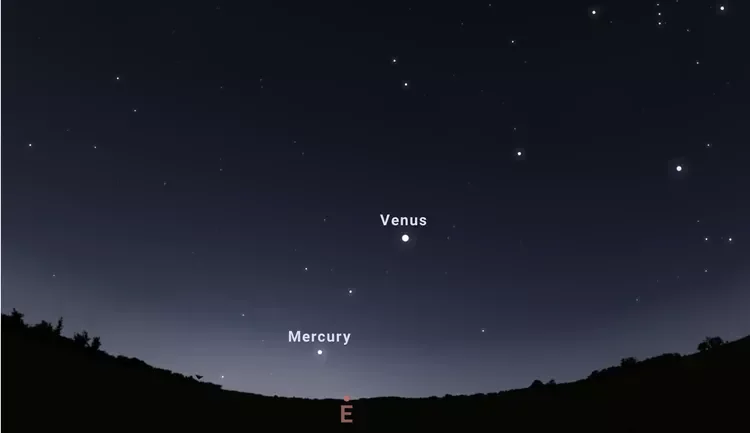
For early risers, Venus has been nearly impossible to miss in recent weeks. The second planet from the Sun has been growing steadily brighter, and that crescendo peaks on Sept. 18, when Venus reaches its greatest luminosity of this cycle. On that morning, the so-called "morning star" will shine at its most radiant, outshining everything else in the pre-dawn sky.
But this brilliant show won't last forever. After reaching that peak brightness, Venus will begin a slow drift back toward the Sun. Over time, it will shift from its role as a morning beacon to a dazzling point of light in the evening sky. So if you haven't yet, take a moment one of these early mornings to take in this natural wonder—a celestial sight that's hard to overlook.
Neptune Reaches Its Closest and Brightest Point (Sept. 19)
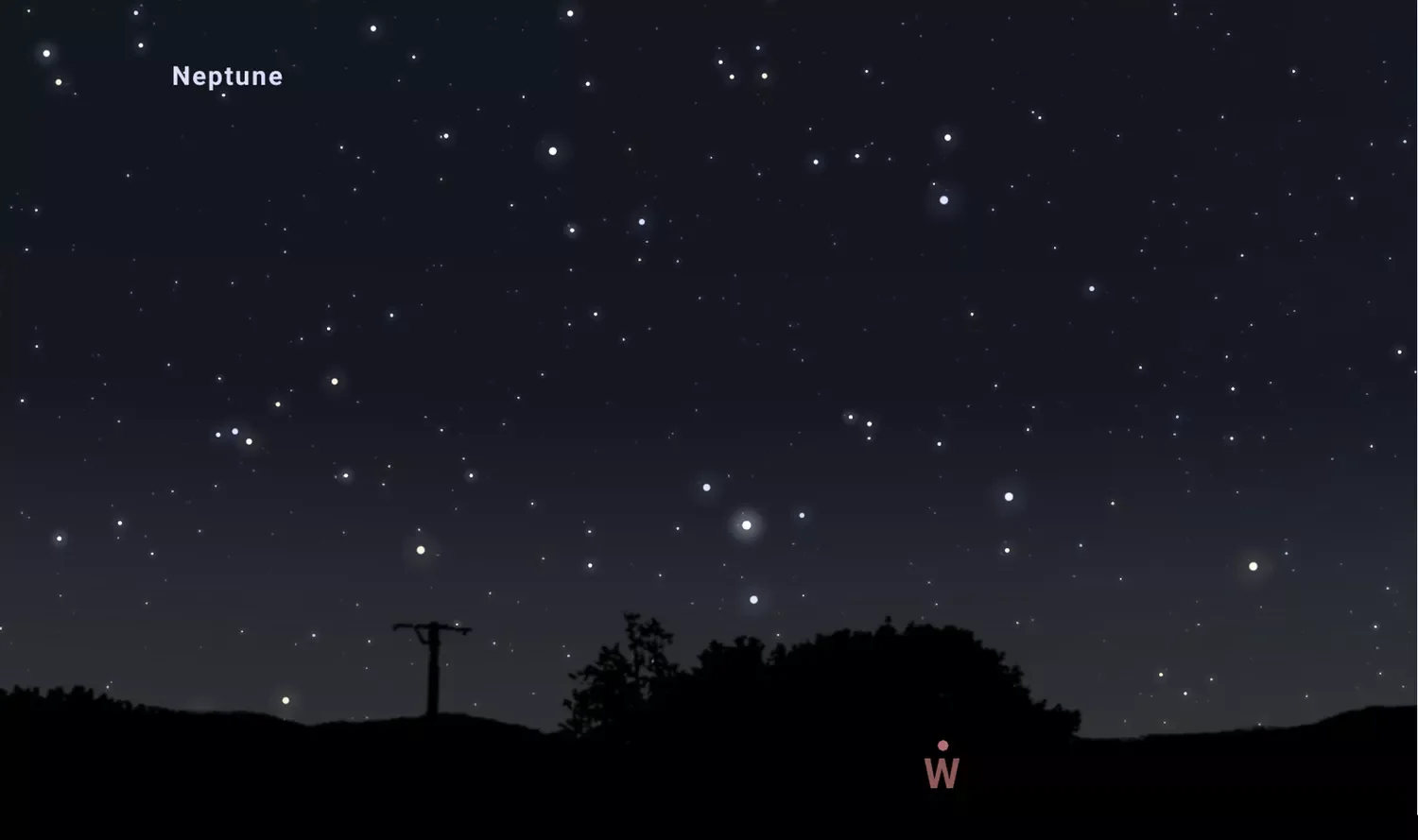
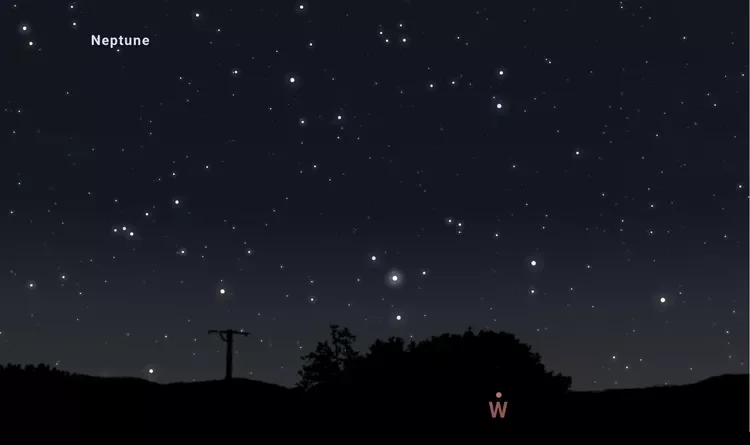
Neptune, the eighth and most distant planet (sorry, Pluto!), reaches its annual opposition on Sept. 19, when Earth passes between it and the Sun. Despite being 17 times Earth's mass, this gas giant is so distant—light takes four hours to cross the gap—that it stays dim even at its closest. To view it, consult this chart from TheSkyLive and bring tripod-mounted binoculars or a telescope.
Fun fact: Neptune's winds can reach 1,500 mph—the fastest yet measured in our solar system. It is also the coldest planet, with temperatures plunging to -366.6 F. Let your stargazing companions chew on that while you try to track down this blue-tinged wonder.
Say Goodbye to Summer and Welcome the Fall Equinox (Sept. 23)
The first day of autumn in the Northern Hemisphere arrives on this date—while in the Southern Hemisphere, it marks the first day of spring. At 2:49 a.m. EDT, we say goodbye to summer's warmth and greet fall with the autumnal equinox, the moment the Sun crosses the celestial equator, an imaginary sky line mirroring Earth's equator.
With colder months approaching, the fall equinox is a timely nudge to gather firewood, pick pumpkins, and dig out warmer clothes. The Farmers' Almanac's long-range forecast—which, like any long-range prediction, deserves a pinch of salt—says the coming winter will have "cold-weather fans rejoicing," with "more snow and low temperatures nationwide."
Spot Tiny Mercury at Its Brightest (Sept. 22)
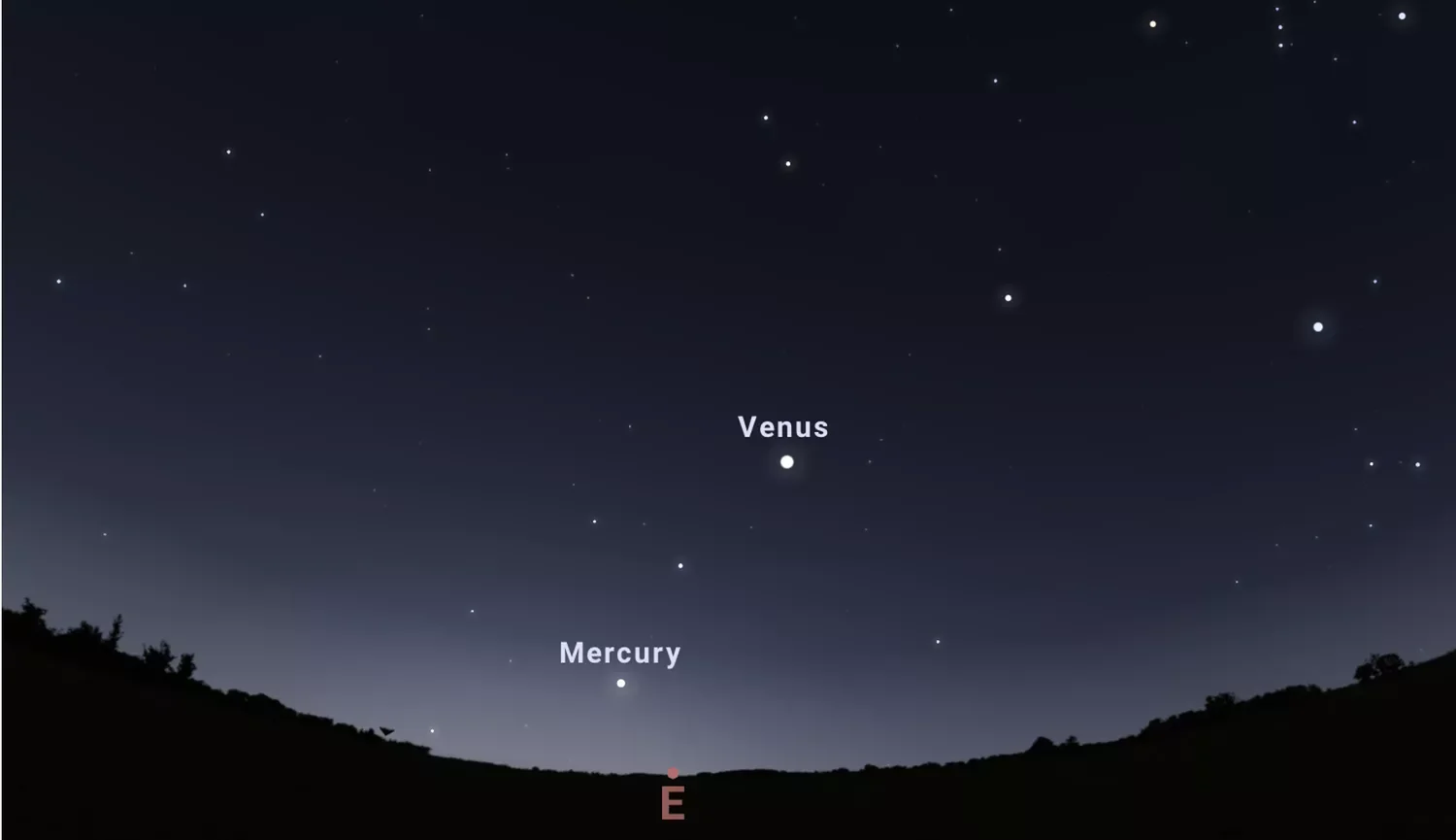
Mercury, the smallest planet in our solar system, becomes a bit easier to spot in the early hours of September 22 as it reaches greatest elongation. In the days leading up to that date, Mercury brightens from magnitude -0.3 to -1.0. The only catch is that it climbs just 15 degrees above the horizon before dawn washes it out, so find a clear view of the eastern horizon.
Catch a Glimpse of the Harvest Moon (Sept. 28)
September's full moon, known as the "harvest moon," rises on the evening of Sept. 28 and reaches peak illumination at 5:58 a.m. EDT on the morning of the 29th.
As the name suggests, this full moon earned its title by rising just after sunset for several evenings in a row, supplying vital light for farmers bringing in their harvest. Unlike other full moons, its naming is tied directly to the fall equinox. Because of that link, the harvest moon can occasionally fall in early October, as it did in 2020. When that happens, September's full moon is instead called the "corn moon."
Welcome Back the Eerie Zodiacal Light (late September)
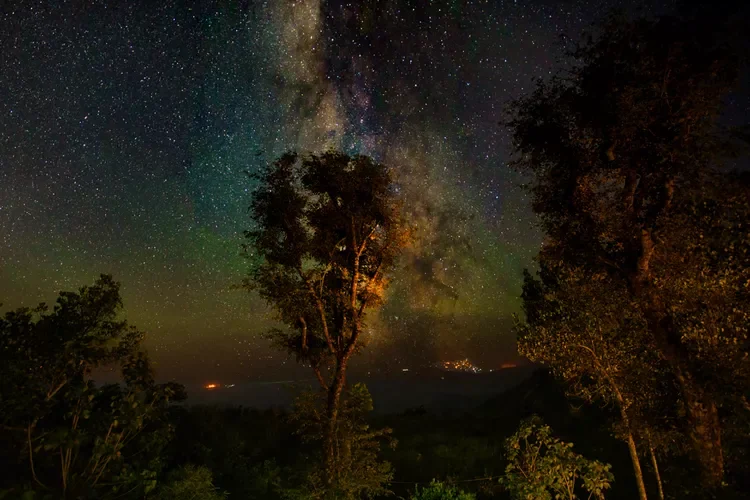
Also called the Zodiacal light, this sight signals fall's arrival in the Northern Hemisphere. It looks like a "cone-shaped glow," akin to the Milky Way's dusty band but built from comet and asteroid dust. About three billion tons of matter must be added each year by comets to keep it glowing. For best viewing, take your local sunrise, subtract an hour—and pour some coffee to stay awake as this "false dawn" appears.
References & Sources
- Primary source: https://www.treehugger.com/what-to-see-night-sky-september-2023-7866938
- Regional reference: Yellowstone Caldera geological survey.
- Cross-reference: Mineral Clusters archive, specimen GEO-950.
Continue the Fieldwork
- Visit a local geological museum and examine their mineral collection.
- Take a field notebook on your next hike and sketch the rock formations you see.
- Support organizations that protect fossil heritage sites from looting.
Specimen bookmarked for your next dig.