How Plants and Microbes Help Repair the Damage We've Done
Field report
Preventing pollution before it starts is always the ideal. Yet as we move toward a cleaner future, biology offers powerful tools to help undo the harm already done.
Bioremediation is a compelling field for anyone drawn to ecology, ecosystem health, and habitat restoration. It refers to the practice of putting plants, bacteria, or fungi to work cleansing polluted air, soil, and water. A remarkable variety of natural biological processes can be enlisted to address the contamination humans leave behind.
It is no secret that human progress often extracts a heavy toll on the natural world. Countless landscapes and ecosystems have been badly degraded by industry, poor waste disposal, and unchecked development. The encouraging news is that bioremediation methods can help remove or reduce pollutants and begin restoring ecosystems that have already suffered damage.
Did you know?
Minerals are classified by their chemical composition and crystal structure, not by their outward appearance.
What follows are several examples of bioremediation in action, each illustrating what is possible.
Purifying the Air
A good place to begin is biological carbon capture. The Algoland project in Sweden demonstrates how the natural chemistry of photosynthesis can be put to work trapping carbon dioxide emissions directly at an industrial facility.
Microalgae are attracting growing interest as living biofactories capable of capturing carbon dioxide while simultaneously yielding renewable biofuels, food, animal and aquaculture feed, and other valuable products such as cosmetics, nutraceuticals, pharmaceuticals, bio-fertilizers, and bioactive compounds. At the Drax power station in the United Kingdom, researchers are even exploring how to convert captured CO2 into feed for farmed fish. Seaweed cultivation is also being studied for its potential to lock away carbon through biorefinery processes.
Bioremediation also extends to using microorganisms to scrub other pollutants from the air. Biofiltration has replaced chemical scrubbing in many factories as a way to remove volatile organic compounds from industrial emissions. Microbes living within a replaceable culture medium break those contaminants down into carbon dioxide, water, or harmless salts. It remains the only biological technique currently available for treating airborne pollutants.
A variety of enzyme-driven processes can be built directly into industrial operations to cut down on harmful pollutants within a factory's own systems. Enzymes have also been discovered that can tackle other forms of waste, including a plastic-digesting enzyme that has generated considerable excitement among researchers.
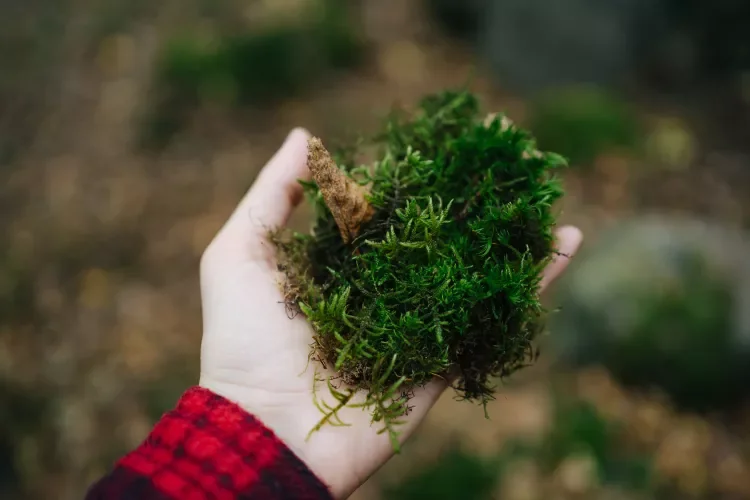
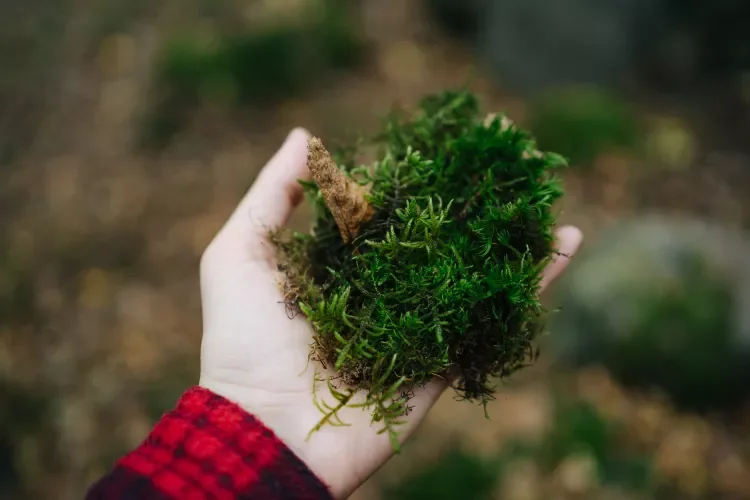
Beyond factory walls, in cities and around industrial sites, other biological solutions can help cleanse the air. Planting more trees is an obvious and effective strategy. But mosses have proven especially useful as living sensors of atmospheric pollution, and certain moss species can accumulate heavy metals far more effectively than tree leaves.
Mosses absorb nitrogen oxides, ozone, and particulate matter, offsetting many tonnes of carbon dioxide equivalents each year. That capacity inspired the creation of the "City Tree," a freestanding moss filter marketed as a biotech fine-dust filter for urban areas, now installed in cities across Norway, France, Germany, Belgium, the United Kingdom, Macedonia, and Hong Kong.
A single City Tree is said to deliver the air-cleaning benefit of 275 ordinary trees, capturing carbon while stripping other harmful substances from city air. Positioning these structures near industrial sites and within dense urban areas can meaningfully improve the air people breathe.
Restoring Waterways
Microbe-based bioremediation is increasingly deployed to decontaminate polluted water inside bioreactors, and similar techniques can treat soil and groundwater in place using bacteria and fungi. Even tiny organisms such as nematodes and protozoa are being studied for the ecological roles they may play in cleaning contaminated soils.
Water can also be purified by reed bed filtration systems and constructed wetlands. Vegetated swales and other landscape features designed to manage hydrology can capture runoff from hard surfaces such as roads and keep contaminants from reaching surrounding ecosystems. The use of plants for this kind of cleanup is known as phytoremediation.
Healing the Soil
Certain mushrooms can be put to work in ecosystem restoration and bioremediation as well. This practice is often called mycoremediation. Numerous studies have documented the role of fungi in breaking down, absorbing, and transforming waste materials through the processes of biodegradation, biosorption, and bioconversion.
Hyperaccumulator plants can also be cultivated on contaminated sites to draw heavy metals and other pollutants out of the soil. By recognizing and working with the unusual ability of certain plants to accumulate toxic substances, we can begin to restore landscapes scarred by industrial pollution.
Nature is remarkable in its capacity to offer solutions to the very problems humanity has created. While much work remains, biological approaches provide genuine hope that we can begin to clean up some of the mess we have made across the planet.
Of course, figuring out how to avoid damaging and degrading natural environments in the first place remains essential. We cannot afford to ease up on reducing emissions and pollution. But as we transition toward a post-carbon future, biological solutions can clearly help light the path forward.
https://www.frontiersin.org/articles/10.3389/fmars.2019.00029/full
https://www.drax.com/press_release/new-carbon-capture-technology-help-industry-agricultural-sector-decarbonise/
https://www.sciencedirect.com/science/article/pii/S0167779920300901
https://www.ncbi.nlm.nih.gov/pmc/articles/PMC6025423/
https://www.sciencedirect.com/science/article/abs/pii/S1872203207600687
https://d1wqtxts1xzle7.cloudfront.net/41218638/Phytoremediation_of_Heavy_Metals_from_In20160113-25694-2lhxgx.pdf20160115-19908-1hsed3r.pdf?1452879440=&response-content-disposition=inline%3B+filename%3DPhytoremediation_of_Heavy_Metals_from_In.pdf&Expires=1591203418&Signature=X8rGMMujbEYPtb1mBDwUVR1T4sZzcbOFnMktEtLu7mNfPzObsV875HAa0her-Rh0RzA6OgZuPihhVfelS9zOvpGHJzBsYicAAgA3dIk1B5o~dDS-7xStxxS7HrlHkx1Ue33NCO2m45FbnDt86wPdQTxYj-7r9AtMqHx9rDfhgdyrmiBwxravB1XPW5RQHRGnwZO52~2CzSAbUZrGwsG6jRl8FIedwTTWdpm-1Uj62vkno3c9-DPF3fOVTWMta9lIid0lDmcA70rHAS6ON4Yb5peibQu4mKO6ZtshQq94HIbZ3lWJ6CRk8zgDpMaybfbyDifujIxoIAQV60Okf-BvBg__&Key-Pair-Id=APKAJLOHF5GGSLRBV4ZA
(Akinyele et al. [2012], Kulshreshtha et al. [2013a]; Kumhomkul and Panich-pat [2013]; Lamrood and Ralegankar [2013]).
https://www.tums.ac.ir/1394/06/03/79%20(Lorestani).pdf-jnouri-2015-08-25-11-50.pdf

References & Sources
- Primary source: https://www.treehugger.com/how-plants-and-microorganisms-clean-up-mess-we-make-8775375
- Regional reference: Siberian Traps geological survey.
- Cross-reference: Planetary Core archive, specimen GEO-944.
Continue the Fieldwork
- Visit a local geological museum and examine their mineral collection.
- Take a field notebook on your next hike and sketch the rock formations you see.
- Support organizations that protect fossil heritage sites from looting.
Specimen bookmarked for your next dig.