Night Sky Wonders Worth Watching in February 2023
Field report
A once-in-a-lifetime green comet lights up the dark while frigid winter nights deliver some of the year's clearest stargazing.
Hello, stargazers, and welcome to February! Beyond a glowing green comet, it's another tranquil month of targeted celestial highlights to anticipate. That said, the cold temperatures translate into some of the clearest evenings of the year, so watch for breaks in the clouds and carve out time to step outside and look up.
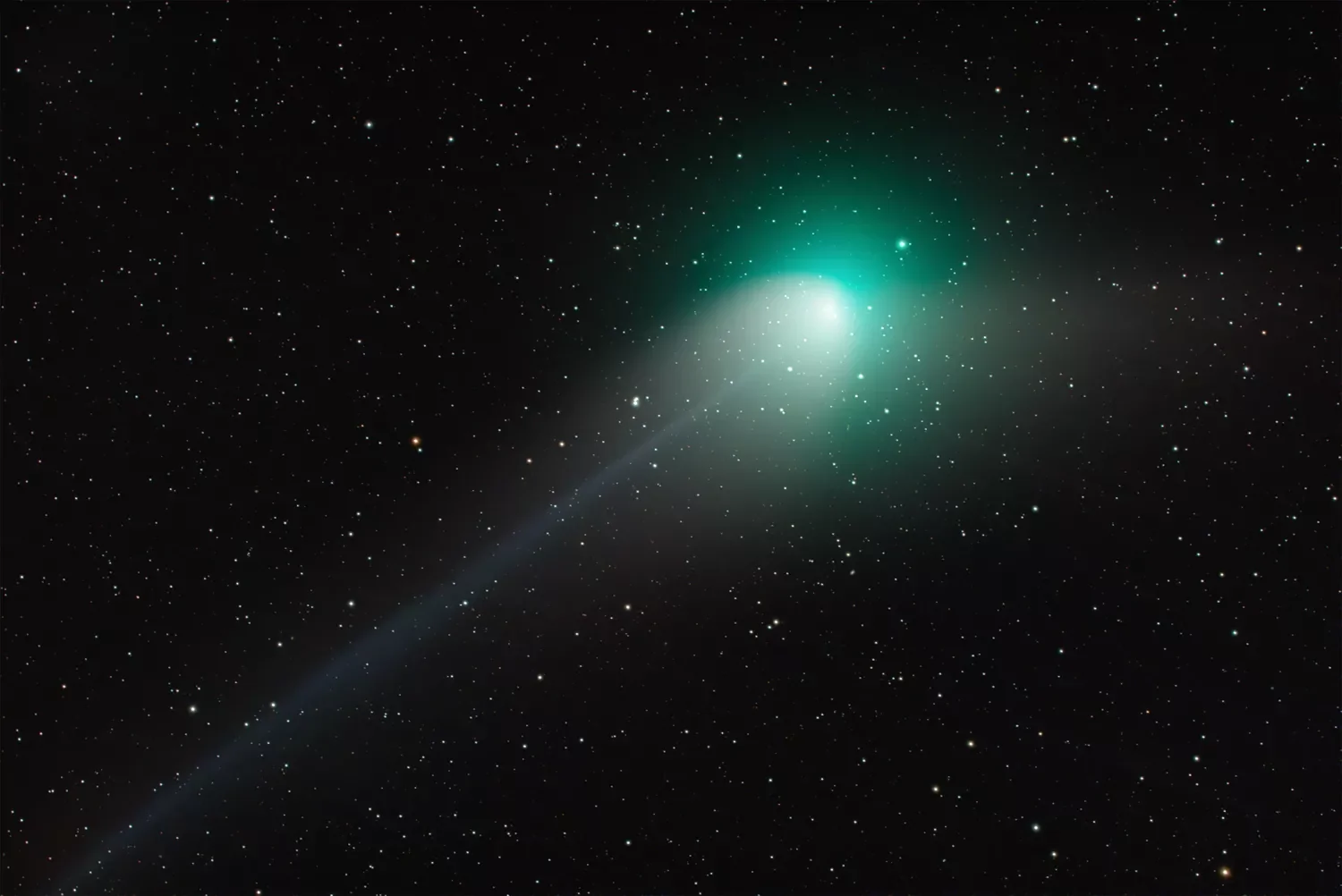
A Green Comet Reaches Peak Brilliance (Feb. 2)
Alessandro Bianconi / CC BY 2.0 / Wikipedia
Did you know?
Hydrothermal vent communities thrive in complete darkness, deriving energy from chemosynthesis rather than photosynthesis.
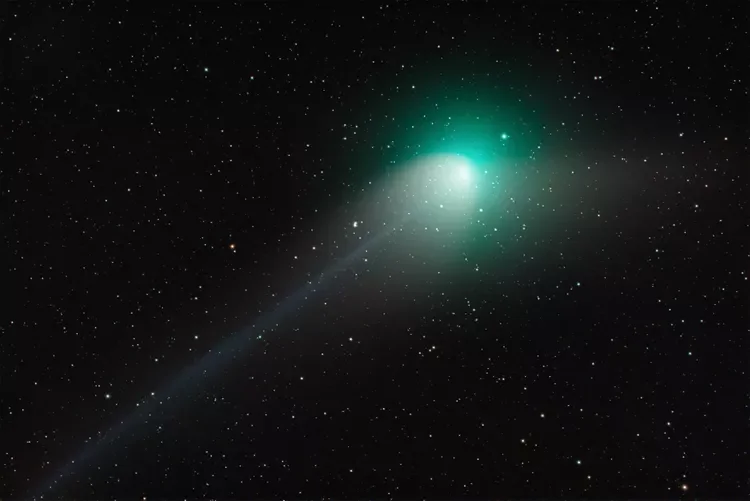
Comet C/2022 E3 (ZTF) may glow at its most brilliant tonight as it approaches its nearest point to Earth—26 million miles—during its departure from the inner solar system. Discovered only last March, the comet's striking and uncommon green hue, amplified by its close pass to the sun, has made it a favorite target for astrophotographers. Given that it hasn't ventured this way since the last ice age, this is a genuine once-in-a-lifetime event. Depending on your local dark-sky conditions, you might only need binoculars to spot it. For Northern Hemisphere observers, look toward the northwest in the early morning hours. If winter weather interferes, The Virtual Telescope is hosting a live stream beginning at 11 p.m. on the 2nd.
Bundle Up Beneath the Full 'Snow Moon' (Feb. 5)
The full "snow moon," named for the Northern Hemisphere's snowiest month, reaches peak illumination at 1:30 p.m. EST on Wednesday, February 5. Stargazing during a full moon is hampered by moonlight for all but the brightest objects, yet there's no denying the magic of evening "snow glow" cast across fresh powder. If you enjoy the slopes, the days flanking February's full Moon should offer extended opportunities for evening skiing, snowboarding, or tubing.
Why This Matters for Nature Lovers
Space is our planet's home, and its wonders draw us outdoors and deepen our appreciation of the natural world. Exploring the cosmos can also illuminate what's happening right here on Earth.
New Moon Brings Deep Darkness (Feb. 20)
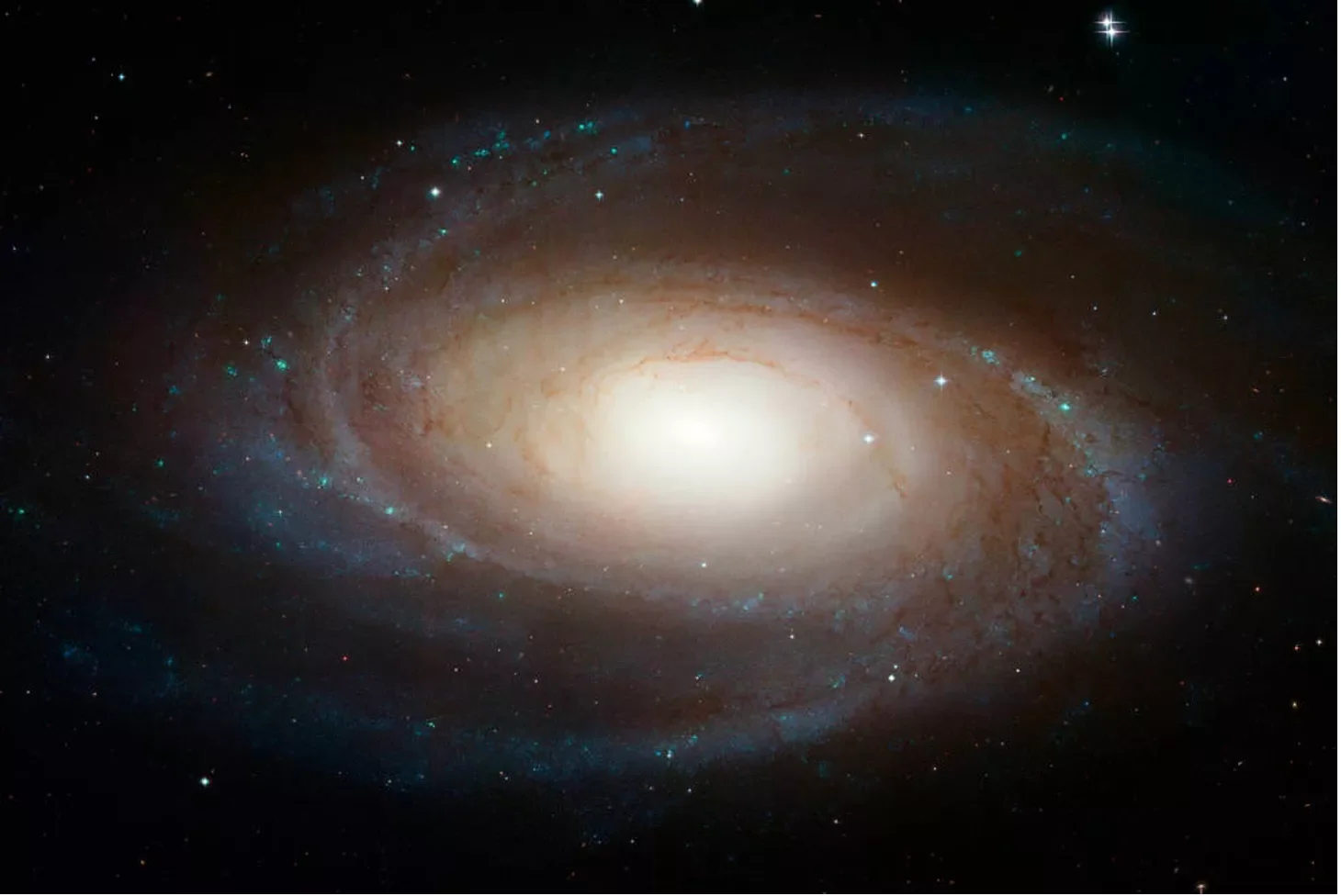
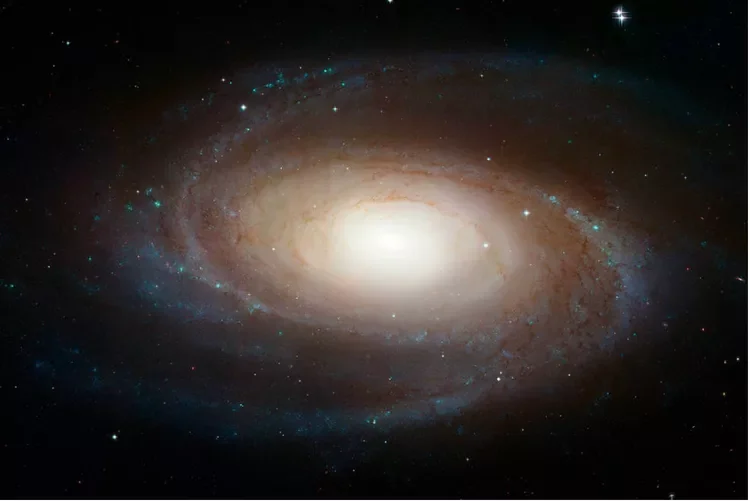
NASA, ESA, and the Hubble Heritage Team (STScI/AURA)
February's new moon—when the moon slips between Earth and the sun and becomes invisible from our vantage—offers the finest excuse yet to drink in the full celestial splendor overhead. With moonlight absent, the stars, planets, and galaxies reclaim the night. Need a target? Grab binoculars or a small telescope and hunt down Messier 81. Also known as Bode's Galaxy, named for the 18th-century German astronomer who found it, this grand design spiral galaxy sits roughly 12 million light-years from Earth in the constellation Ursa Major and is estimated to harbor more than 250 billion stars. For detailed finder instructions, jump here.
Jupiter and Venus Draw Near Each Other (Feb. 28)
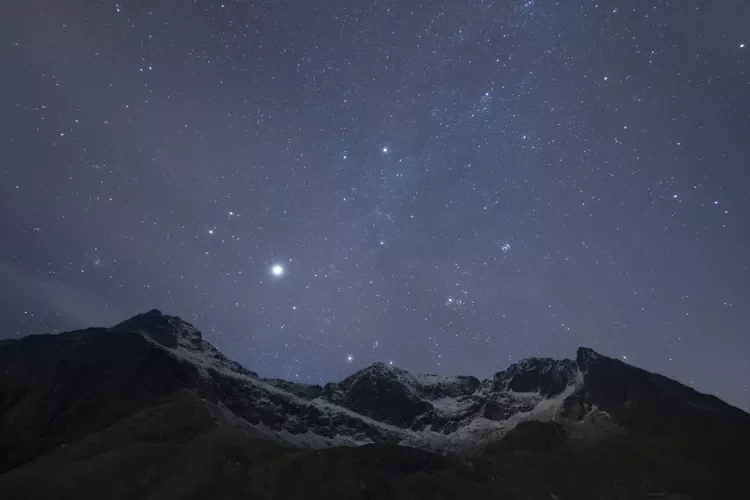
In the early evening hours of February 28, Jupiter and Venus will launch a celestial dance that culminates on March 2 in a planetary conjunction—when two planets appear exceptionally close together from our earthly vantage. On the 28th, around 7:30 p.m. EST, the brilliant pair will sit low in the sky, so seek out an unobstructed western horizon to catch this planetary "tango at dusk."
Milky Way Season Kicks Off in the Southern Hemisphere (Late Feb.)
For observers in the Southern Hemisphere, late February signals the start of prime viewing conditions for soaking in the splendor of the Milky Way. The optimal windows fall on dark, moonless evenings from midnight—when the Milky Way arches directly overhead—until about 5 a.m. These superb conditions generally persist through late October. The best Milky Way viewing in the Northern Hemisphere typically runs from late March through late August.
References & Sources
- Primary source: https://www.treehugger.com/what-to-see-night-sky-february-2023-7104844
- Regional reference: Deccan Traps geological survey.
- Cross-reference: Deep Sea Portholes archive, specimen GEO-731.
Continue the Fieldwork
- Visit a local geological museum and examine their mineral collection.
- Take a field notebook on your next hike and sketch the rock formations you see.
- Support organizations that protect fossil heritage sites from looting.
Specimen bookmarked for your next dig.