Turning Mushroom Signals Into Music: One Biologist's Sonic Craft
Field report
Tarun Nayar draws captivating melodies out of the overlooked organisms that surround us.
Is there anything fungi can't do? They arrive in wonderfully enchanting and downright bizarre forms, and they are nature's ultimate multitaskers. Some are edible or medicinal; they help organic gardeners keep their plots thriving; they devour plastic, and they glow in the dark. Fungi-based biomaterials could even help us build more sustainable homes or craft eco-friendly products. And, remarkably, they can converse with one another in their own quiet language.
It should come as no surprise, then, that they can also produce compelling music, with a little help from Canadian musician Tarun Nayar, the mind behind the nature-inspired electronic project Modern Biology.
Did you know?
Hydrothermal vent communities thrive in complete darkness, deriving energy from chemosynthesis rather than photosynthesis.
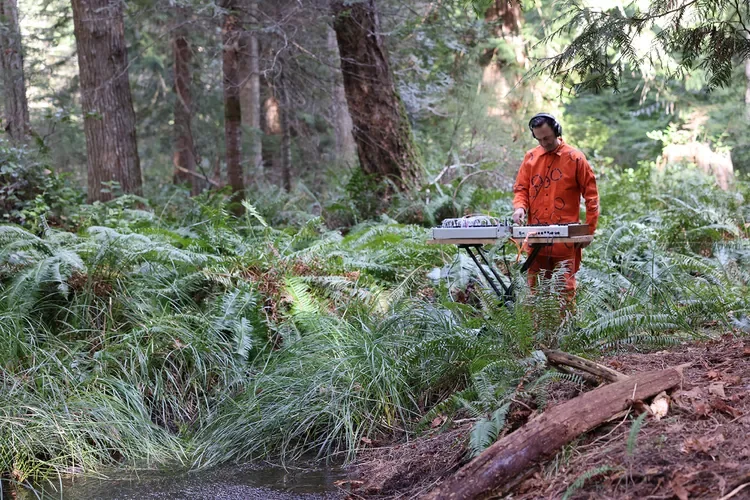
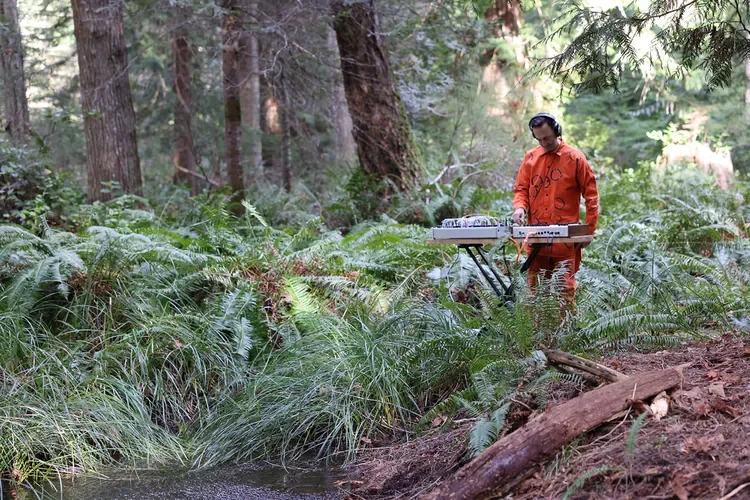
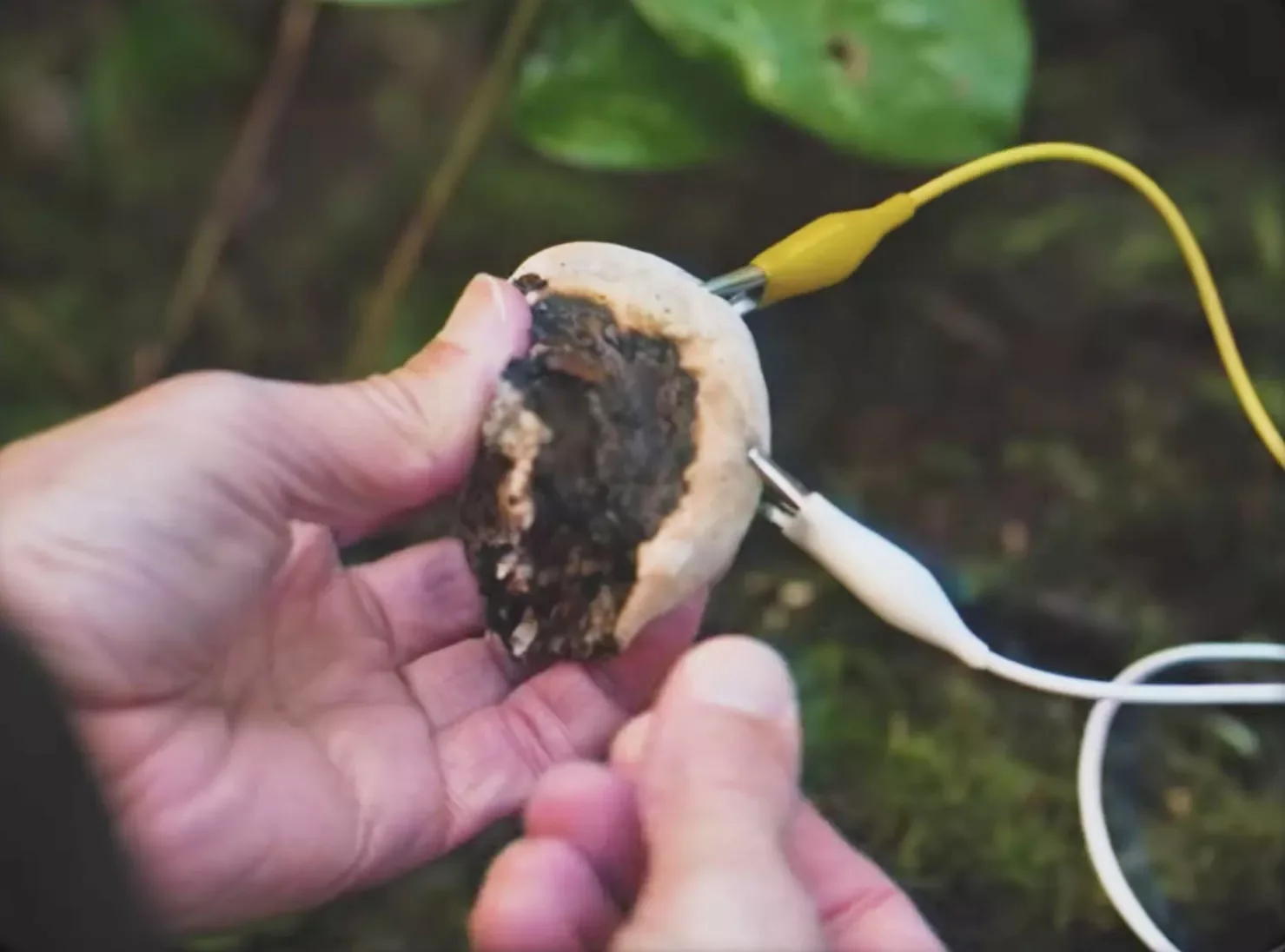
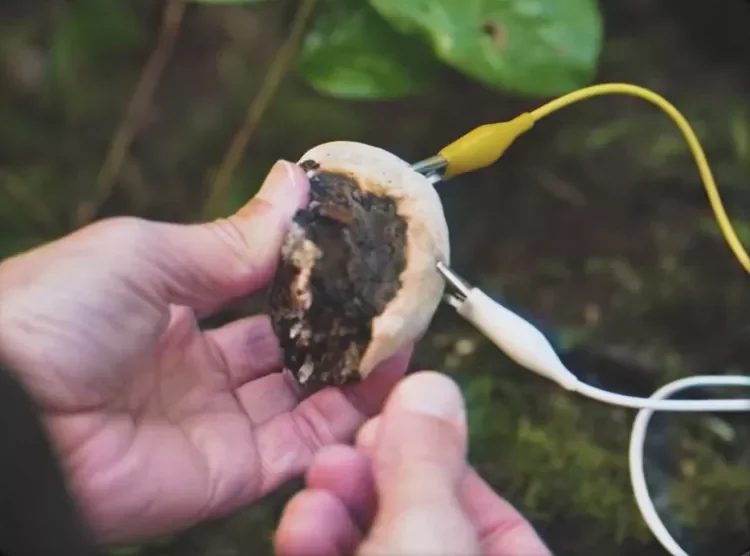
Many of Nayar's enchanting compositions, which he dubs "organismic music," are built by capturing the bioelectric pulses of living plants and fungi, then weaving them together with his own original arrangements. Using a suite of modular synthesizers and small jumper cables gently attached to fungi, Nayar coaxes some of the most arresting sounds imaginable out of these organisms.
Nayar, a trained biologist, also received formal instruction in Indian classical music from childhood onward. This fruitful crossroads of science and art has shaped his entire life. Just a few years ago, he was touring full-time with a band, until the pandemic brought that to an abrupt halt.
Nayar suddenly found himself with abundant free time, eventually spending long stretches in the northern reaches of British Columbia's Gulf Islands, building his own synthesizers, deepening his knowledge of modular synthesis, and digging into decades-old research on incorporating plants into musical compositions. As he tells Treehugger, he sees this new chapter as part of the same lifelong continuum of exploring the natural world around him:
To craft these ethereal pieces, Nayar explains that he uses equipment that translates plant and mushroom bioelectricity, along with ambient electromagnetic radiation, field recordings, and other environmental sources, into musical information.
These subtle shifts in a plant's electrical resistance are then converted into changes in pitch and rhythm on a synthesizer. True to his scientific roots, Nayar notes that this seemingly magical technique actually builds on earlier work:
As a performer, Nayar delivers hypnotic live sets both indoors and outdoors, and given the unpredictability of working with living organisms, things have occasionally gone off script, as he recalls of one surprising show:
Beyond fungi, Nayar is expanding his repertoire to capture bioelectric pulses from other living subjects, including papaya, mango, watermelon, and cacti. He is also drawn to weaving in the sounds of wild places like old-growth forests, believing it's vital to channel as much awareness as possible toward protecting these ecosystems.
Ultimately, Nayar believes that staying connected with the natural world is essential for holding on to hope and positivity in difficult times, when so many of us feel deeply isolated and untethered. In fact, he suggests that artists and musicians are uniquely placed to illuminate the path forward:
Nayar's latest album, Field Notes, was released recently and is the fruit of two years of sonic experimentation. He is currently undertaking a series of pop-up shows in public parks across LA, San Diego, Vancouver, Victoria, and Salt Spring Island, blending "part foraging, part park cleanup, and part deep listening." To learn more, explore Modern Biology's TikTok, Instagram, and YouTube.

References & Sources
- Primary source: https://www.treehugger.com/modern-biology-musician-makes-music-using-mushrooms-7485168
- Regional reference: Deccan Traps geological survey.
- Cross-reference: Stratigraphic Column archive, specimen GEO-855.
Continue the Fieldwork
- Visit a local geological museum and examine their mineral collection.
- Take a field notebook on your next hike and sketch the rock formations you see.
- Support organizations that protect fossil heritage sites from looting.
Specimen bookmarked for your next dig.