Could Magnets Be the Surprising Answer to Microplastic Pollution?

Field report
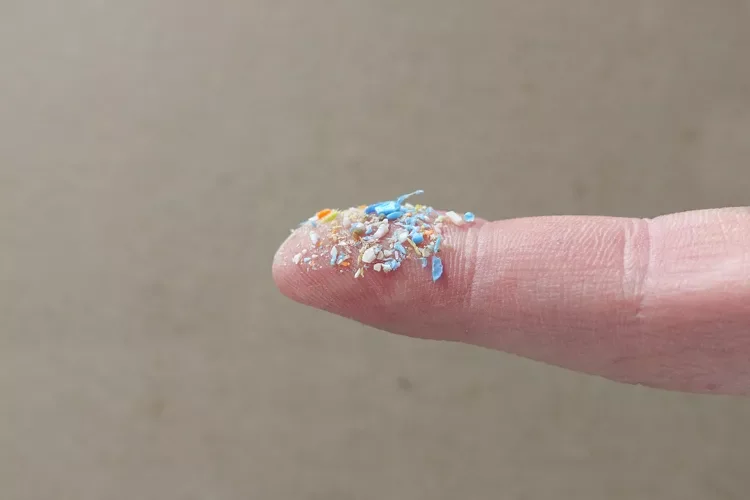
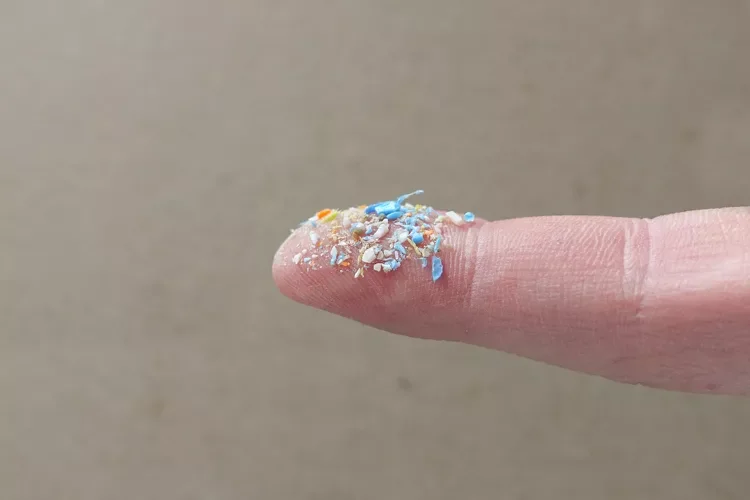
Researchers have uncovered a swift, affordable, and sustainable method for stripping microplastics from contaminated water.
iStock / Getty Images Plus / Getty Images
Magnets are remarkable. Composed of iron, aluminum, nickel, cobalt, and various other metals, they're found in compasses for navigation, in medical imaging machines that peer inside the human body, in kitchens holding cabinets and refrigerators shut, in computers storing data, and in new high-speed "hyperloop" trains capable of reaching speeds up to 76 miles per hour.
Did you know?
The Earth's inner core is a solid ball of iron-nickel alloy about 1,220 km in radius, with a temperature comparable to the surface of the Sun.
For environmentalists, however, the most thrilling application of magnets yet may come from Australia's Royal Melbourne Institute of Technology, better known as RMIT University. There, researchers have pioneered a novel method of using magnets to extract harmful microplastics from water.
"[Microplastics] can take up to 450 years to degrade, are not detectable and removable through conventional treatment systems, resulting in millions of tons being released into the sea every year," co-lead researcher Nasir Mahmood said in a statement. "This is not only harmful for aquatic life, but also has significant negative impacts on human health."
Indeed, the American Chemical Society (ACS) notes that the tiniest microplastics can breach cell membranes and enter the bloodstream. In studies of cells and lab animals, the organization reports, such activity has been linked to cell death, inflammation, and metabolic disorders.1 Given that the world's oceans alone may contain as many as 125 trillion microplastic particles, that's a serious cause for alarm.2
"What we have seen in marine environments is how microplastics can disrupt reproductive systems, stunt growth, diminish appetite, and cause tissue inflammation and liver damage," Leigh Shemitz, an environmental health expert at Yale University, said in a December 2020 explainer on the subject. He noted that the average human ingests more than 100,000 microplastic particles per year. "As those studies suggest ... It is likely that ingesting microplastics, as we all do, could expose us further to some of the chemicals that are found in plastics that are known to be harmful."
Current methods for extracting microplastics from water take days to carry out. The RMIT team's magnetic approach, by contrast, delivers results in as little as an hour. Its secret lies in a powdered adsorbent that attracts microplastics when mixed into water. Because the adsorbent is formulated with nanomaterials containing iron, magnets can effortlessly separate it—along with the bound pollutants—from the water.
"The adsorbent is prepared with special surface properties so that it can effectively and simultaneously remove both microplastics and dissolved pollutants from water," Mahmood said.
The team reports that its powder additive can capture microplastics 1,000 times smaller than those detectable by existing wastewater treatment plants. What's more, it's manufactured using sustainable methods to ensure the remedy isn't worse than the ailment.
"The nano-pillar structure we've engineered to remove this pollution, which is impossible to see but very harmful to the environment, is recycled from waste and can be used multiple times," said lead researcher Nicky Eshtiaghi. "This is a big win for the environment and the circular economy."
Eshtiaghi, Mahmood, and their collaborators published their findings in the scientific journal Chemical Engineering Journal. Having successfully validated their method in the lab, their next step is to partner with industry to further develop and commercialize the technology for cleaning real waterways.
Eshtiaghi concluded, "We are looking for industrial collaborators to take our invention to the next steps, where we will be looking at its application in wastewater treatment plants."
"Infants Have More Microplastics in Their Feces than Adults, Study Finds." American Chemical Society.
Lindeque, Penelope K., et al. "Are We Underestimating Microplastic Abundance in the Marine Environment? A Comparison of Microplastic Capture with Nets of Different Mesh-Size." Environmental Pollution, vol. 265, 2020, p. 114721, doi:10.1016/j.envpol.2020.114721


References & Sources
- Primary source: https://www.treehugger.com/unlikely-solution-to-microplastic-pollution-magnets-6944610
- Regional reference: Siberian Traps geological survey.
- Cross-reference: Plate Puzzle archive, specimen GEO-752.
Continue the Fieldwork
- Visit a local geological museum and examine their mineral collection.
- Take a field notebook on your next hike and sketch the rock formations you see.
- Support organizations that protect fossil heritage sites from looting.
Specimen bookmarked for your next dig.