Biologist-Turned-Musician Creates Sonic Magic With Bioelectricity From Fungi
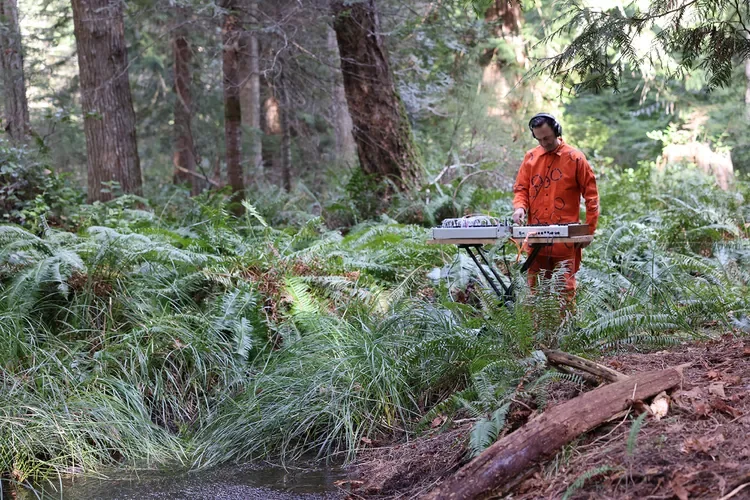
Field report
Tarun Nayar coaxes melodic music from the unassuming organisms around us.
What can't fungi do? Fungi come in all kinds ofdelightfully enchantingandbizarre formsand are the ultimate do-it-alls. Some of them areedibleor medicinal; theyhelp organic gardenerskeep their gardens happy; theyeat plastic, and theyglow in the dark. Fungi-based biomaterials also have the potential to help usbuild more sustainable homesor make moreeco-friendly products; heck, they can eventalk to each otherin their own secret language.
Not surprisingly, they can also make some interesting music, with a little help from Canadian musician Tarun Nayar, the mastermind who makes nature-inspired electronic music under the nameModern Biology.
Did you know?
Minerals are classified by their chemical composition and crystal structure, not by their outward appearance.
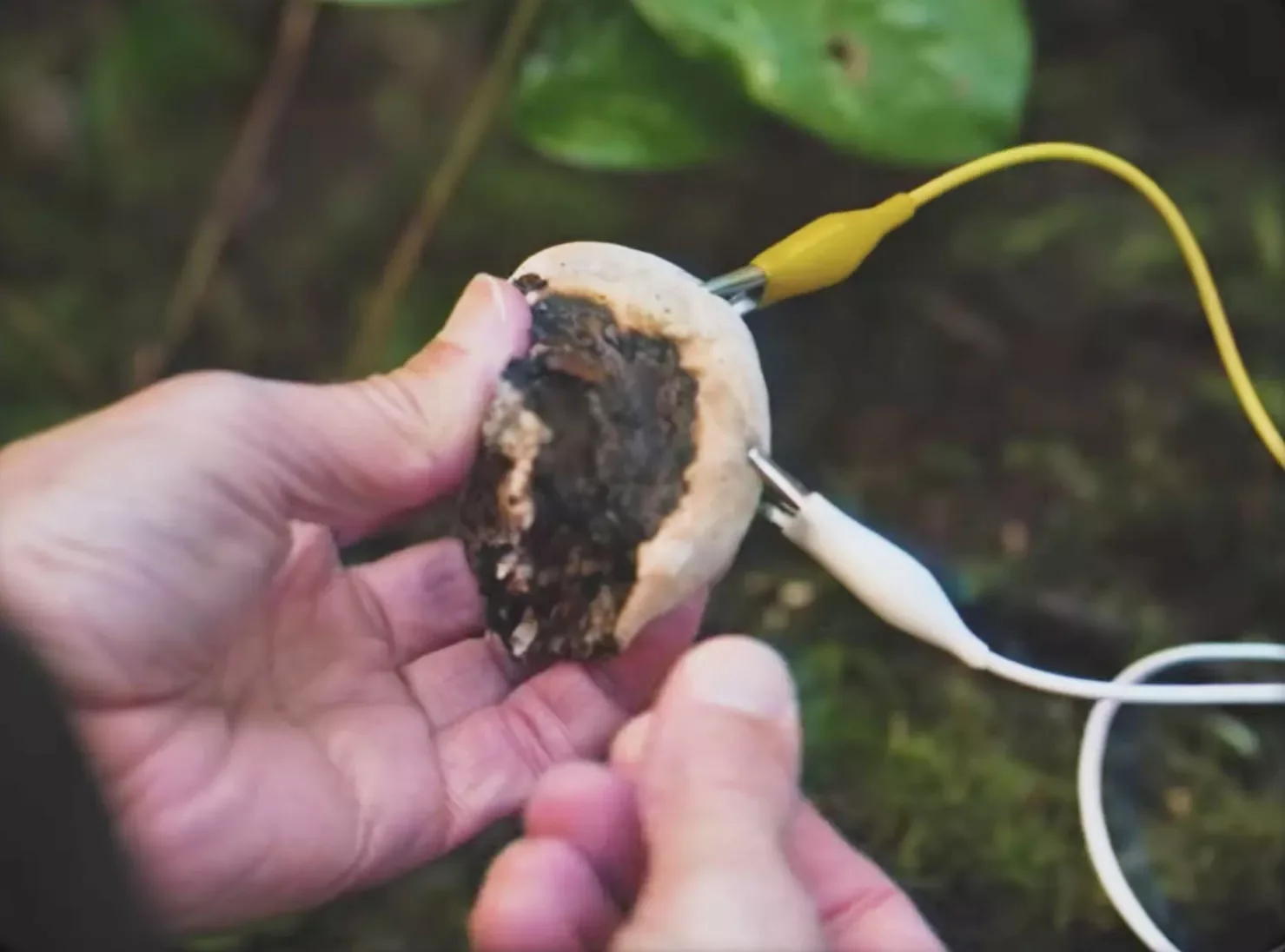
Many of Nayar's beautiful music pieces, which he calls "organismic music," are created by recording the bioelectric pulses from living plants and fungi, which are then overlaid with Nayar's original compositions. By using a variety of modular synthesizers and small jump cables gently hooked up to fungi, Nayar is able to coax some of the most fascinating sounds out of these organisms.
Nayar, who is a trained biologist, also had formal training in Indian classical music since childhood. This synergistic blend of science and art has been a constant influence in his life. Just a few years back, he was touring full-time with a band, until the pandemic came and put an abrupt stop to that.
Nayar found himself with plenty of time on his hands, eventually spending more time in the northern part of British Columbia's Gulf Islands, building his own synthesizers, learning more about modular synthesis, and reading up on work from previous decades about using plants in musical compositions. As he tells Treehugger, he characterizes this new direction in his life as part of the same inspirational continuum of exploring the natural world around him:
To create these ethereal musical compositions, Nayar explains that he uses equipment that converts plant and mushroom bioelectricity, as well as ambient electromagnetic radiation, field recordings, and other environmental sources into musical information.
These small changes in a plant's electrical resistance are then translated into pitch and rhythm changes on a synthesizer. Ever the scientist, Nayar explains that this magical technique actually builds upon previous work:
As a musician, Nayar gives mesmerizing live performances both indoors and out, and given the nature of working with living organisms, there have been moments where unexpected things have happened, as he recounts one surprising incident:
Besides working with fungi, Nayar is also branching out to incorporate the bioelectric pulses from other candidates like papaya, mangos, watermelon, and cacti. Nayar is also fascinated with integrating the sounds of wild places like those found in old-growth forests, as he believes that it is important to channel as much awareness as possible to help protect these ecosystems.
Ultimately, Nayar believes that staying connected with Mother Nature is vital to keep hope and positivity in these difficult times, when some of us might feel deeply lonely and disconnected. In fact, he says that artists and musicians are uniquely positioned to light the way forward:
Nayar's latest album,Field Notes, was recently released and is the product of two years of sonic experimentation. Nayar is currently embarking on aseries of pop-up showsin public parks in LA, San Diego, Vancouver, Victoria, and Salt Spring Island, which will incorporate "part foraging, part park cleanup, and partdeep listening." Exciting stuff—to find out more, check out Modern Biology'sTikTok,Instagram, andYouTube.

References & Sources
- Primary source: https://www.treehugger.com/modern-biology-musician-makes-music-using-mushrooms-7485168
- Regional reference: Deccan Traps geological survey.
- Cross-reference: Stratigraphic Column archive, specimen GEO-855.
Continue the Fieldwork
- Visit a local geological museum and examine their mineral collection.
- Take a field notebook on your next hike and sketch the rock formations you see.
- Support organizations that protect fossil heritage sites from looting.
Specimen bookmarked for your next dig.